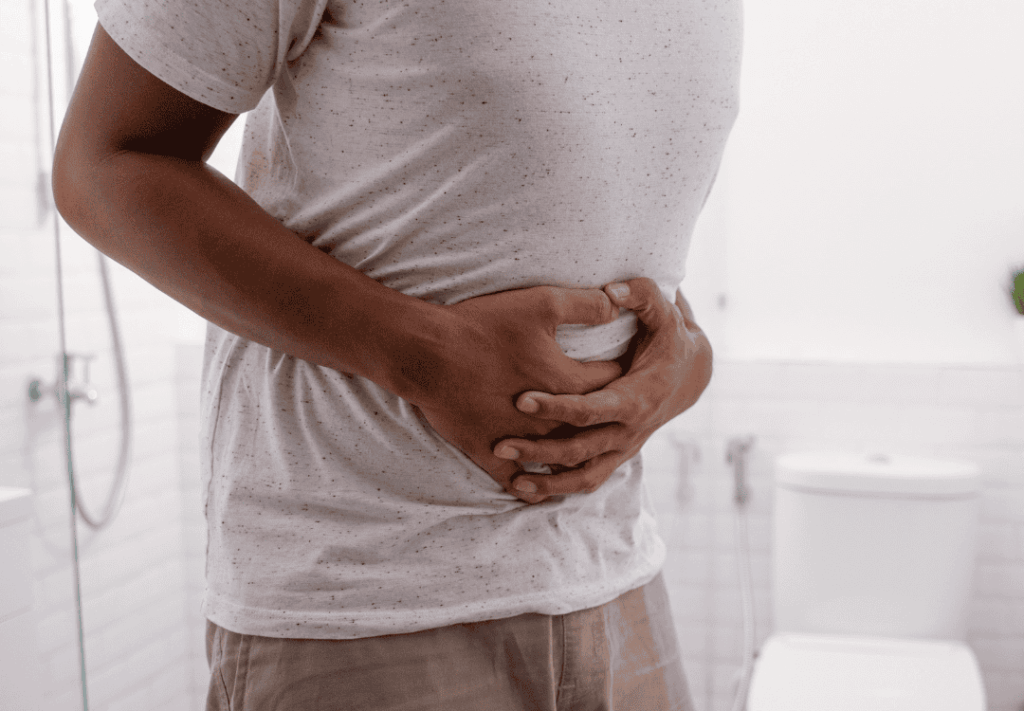
As the UKHSA report reveals a 60% increase in cases over the last two weeks, it’s clear that norovirus is once again spreading rapidly across the UK. And, with a cold snap approaching, experts are urging people to be aware of the virus.
Dr Rupa Parmar, GP and Medical Director of Midland Health, is sharing her advice on how to treat Norovirus and stop the spread, so you and your family can stay safe this winter.
“The rise in norovirus should be taken incredibly seriously. Norovirus is highly contagious and easily passed through close contact, contaminated surfaces, and food and drink. It’s always worse in winter, as the bug can live longer on surfaces in colder temperatures, and we spend more time together indoors. During winter, people’s immune systems may also be weaker, creating an environment where infections and illnesses thrive.
“Symptoms start suddenly and aggressively, the two most common are vomiting and diarrhoea, so it’s no surprise that norovirus is generally referred to as the winter vomiting bug. People suffering from norovirus may also experience a high temperature, headaches, stomach aches, or body pains. You may also have symptoms of fatigue, which can unfortunately last for longer.
“It’s important to know that even if you’ve already had norovirus recently, you can get it again. This is because it’s a group of viruses with different strains. If you are routinely coming down with the virus, it’s crucial to up your hygiene and cleaning, and consider seeking medical advice.
“Norovirus is incredibly unpleasant, but the good news is that for most people, symptoms will subside in just 2 to 3 days when treated at home.”
Prevention
The best way to treat norovirus is to avoid catching it in the first place with simple, daily tasks. Thoroughly wash your hands with soap and water, disinfect surfaces, and wash clothing and bedding regularly. It’s important to note, however, that hand sanitiser and alcohol wipes do not kill the norovirus infection, so it’s best to use antibacterial soap on your hands and a bleach-based cleaner on surfaces.
Stay Home
If you have norovirus, don’t go to work or school and stay at home to avoid spreading it to others. If you live with someone who has norovirus, it’s important to avoid contact with them as much as possible and ensure they’re washing their hands and cleaning their space. Don’t share food, towels, or cutlery if possible. Norovirus is contagious for 2 days after symptoms stop, so stay apart for at least 48 hours after, even if they seem okay.
Hydrate
The best thing to do when you’re ill is to stay hydrated. This is especially the case with norovirus to prevent dehydration from vomiting or diarrhoea. Drink lots of water but avoid fizzy drinks or fruit juice if you have diarrhoea, as it can make it worse.