Initial ARFID Appointment
£695
(60 minutes)
Eating Disorder Consultation with Consultant Child and Adolescent Psychiatrist
£675
(90 minutes)
Consultation with Dietician
£195
(30 minutes)
Skip the queue and Book an Online GP Consultation for everything from check ups to prescriptions.
Skip the queue
If you or your child are finding eating, food or body image difficult to manage, it's understandable to want clear answers and the right support, especially if you're not yet sure where that support should come from.
Eating disorders can affect both mental and physical health as well as daily life, and they rarely have a single cause, but with the right support, ED recovery is possible.
Our multidisciplinary eating disorder clinic brings together consultant phsychiatrists, psychological therapists and a specialist dietitian, offering a holistic approach to treating disordered eating. We can provide provide personalised assessment, treatment and ongoing support for anorexia, bulimia, binge eating disorder and co-occuring mental health conditions such as anxiety, depression and OCD.
Our service is for adults, children and young people who are struggling with eating, and for parents and carers who are concerned about a child.
The eating disorder clinic may be a good next step if you recognise any of the following:
After an initial conversation, our team can help you access the parts of our service that suit your situation best, starting with a consultant psychiatrist, our dietitian, or a therapist.
If you or your child are experiencing severe physical symptoms linked to eating, such as significant weight loss, fainting, chest pain, or severe weakness, or if you are having thoughts of harming yourself, please seek urgent medical help straight away by calling 999, attending A&E, or contacting your GP. This service is not designed to provide emergency or crisis care.
Like most mental health conditions, eating disorders do not discriminate. No matter your age or gender, you can develop an eating disorder. Generally, they are characterised by disordered actions and thoughts, which manifest in the individual controlling their food intake as a coping mechanism. This may be to deal with their feelings and emotions, or other circumstances in their life that they feel they cannot control, which results in unhealthy habits, such as obsessing over body shape or weight and eating too much or too little.
Our specialised team aims to diagnose and treat a wide range of eating disorders. Between our specialist dietitians, mental health professionals and GPs, we provide education on nutrition and diets, psychological therapy and treatments for health problems that arise as a result of disordered eating. Conditions we treat include:
Our eating disorder service covers the diagnosis and treatment of anorexia, bulimia, binge eating disorder (BED), other specified feeding and eating disorders (OSFED), and Avoidant/Restrictive Food Intake Disorder (ARFID).
There is no single treatment pathway that suits everyone with an eating disorder. We build care around you rather than asking you to fit a standard programme. You’ll be assessed holistically, as a whole person, rather than focusing only on food, weight or eating behaviours, with input from consultants in mental health, dieticians and GPs.
At the outset, we get to know you and your eating history. Your initial consultation will provide you with the opportunity to discuss your difficulties with a highly qualified professional.
Following your assessment, our consultants will recommend the most appropriate treatment plan, which may include dietary support, psychological therapy, medication or a combination. Where more than one of our team is involved, they keep in contact with one another so your care is joined up rather than delivered in separate pieces.
We can offer individualised dietetic treatments tailored to your health status, weight history, eating pattern and attitudes towards food. This will include psycho-education about your eating disorder to aid in successful recovery r and to build a healthy relationship with food.
Our consultant psychiatrists can offer one-to-one therapy sessions to address the psychological component of your eating disorder. This provides you with an opportunity to discuss your feelings in a private space. We will work with you to pinpoint the root cause of your condition and provide you with actionable steps to change your eating behaviours.
We understand that it is difficult to change your emotional and mental routines. After all, anxiety, self-criticism and even the fear of the unknown can make it challenging to transform your behaviour. That is why we offer CBT therapy. Our experts will teach you how to use a range of proven techniques, allowing you to identify the root of the issue.
Once you accept and recognise these challenges, you can reduce excessive worry, emotional distress and personal restrictions. This will make it easier to change the way you think about food and your eating habits.
We provide a safe and secure environment for you to talk about your feelings and thoughts with others who understand what you are going through. With this open format, you have the freedom to talk about any topic you would like to discuss.
To help you understand your disorder better, receiving and giving feedback to your peers is a key part of the process. This will help to boost your self-awareness and allow you to address any underlying emotions that may be exacerbating your disorder.
If appropriate, your team will recommend medication, either to treat the eating disorder itself, such as by improving appetite or reducing preoccupation with food, or to support a co-existing condition, such as anxiety, depression or obsessive-compulsive symptoms, which may be affecting your eating.
Medication is never used on its own. It sits alongside dietetic and psychological support as part of your overall treatment plan, and any prescription is discussed with you and reviewed regularly by your consultant psychiatrist.
If you're a parent or carer, watching someone you love struggle with eating can be worrying, and it isn't always obvious how best to help. You don't have to manage this alone.
Where appropriate, we involve parents and carers in assessment, treatment planning and ongoing support, particularly for children and young people. This can include guidance on supporting mealtimes and routines at home, understanding the thinking behind your child's eating behaviours, and what to say, and what to avoid saying.
Supporting a family member through an eating disorder can affect your own wellbeing too, and our team is happy to talk through what support might help you, as well as your child.
We want to give you the best chance at recovery. That is why we provide you with a completely holistic treatment plan that addresses your nutritional and emotional needs. At the outset, we get to know you and your eating history. Your initial consultation will provide you with the opportunity to discuss your difficulties with a highly qualified professional.
Following this, we will develop a treatment plan that is tailored to your individual needs - whether that be appointments with our dietitian for specialist advice and guidance or therapy sessions with a mental health professional.
We are proud to make treatment for eating disorders as accessible as possible. There is no need to get a referral from a GP or healthcare professional. Simply get in touch with our friendly team to book an appointment with one of our experts.
Our eating disorder specialists are highly qualified and experienced professionals from a range of disciplines associated with disordered eating conditions.

Dr Minnie Joseph is a Senior Consultant Child and Adolescent Psychiatrist with more than three decades of experience assessing and treating children and young people with mental health difficulties.
Her specialist interests include neurodiversity, including autism, ADHD and PDA, as well as complex trauma and borderline personality disorder. She also has extensive experience in psychiatric assessment, psychotherapy and medication management.
Dr Joseph takes a holistic, patient-centred approach, working with children, adolescents and their families to understand their individual needs and support their long-term mental wellbeing.
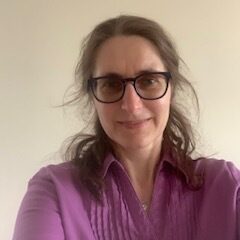
Dr Andrea Biro is a Consultant Child and Adolescent Psychiatrist with extensive experience in psychiatry across both the UK and Hungary. Her specialist interests include neurodevelopmental conditions and eating disorders in children and young people.
She has particular expertise in Avoidant/Restrictive Food Intake Disorder (ARFID), as well as autism and ADHD. Her approach is neuroaffirmative and trauma-informed, considering each young person’s individual circumstances and working collaboratively with patients and their families.
Alongside her clinical work, Dr Biro contributes to teaching and research and is a guest lecturer at the University of Birmingham. She is committed to providing thoughtful, evidence-based and personalised care that supports each young person’s recovery and development.

Arti Dhokia is a registered dietitian with the Health and Care Professions Council (HCPC), with experience working with both adults and children affected by eating disorders. Her areas of practice include ARFID, diabetes, and gut and gastrointestinal conditions such as IBS. She is equipped to support children and adults with autism and ADHD, and offers advice on FODMAP diets, Sports Nutrition and fussy eating in children.
Arti carries out nutritional assessments and works with patients and families on personalised meal and feeding plans, alongside the wider clinical team.

Raj Bassi is a CBT Therapist at Midland Health, working with patients experiencing eating disorders alongside difficulties such as anxiety and low self-esteem. Raj uses cognitive behavioural therapy (CBT) to help patients understand the thoughts and behaviours connected to their eating disorder, and to build practical ways of managing them. Sessions are shaped around each patient, and Raj works closely with the wider eating disorder team, so psychological support fits alongside any dietetic or psychiatric care you're receiving.

Leanne Leary is an experienced CBT and EMDR Practitioner and ADOS-2 Assessor, with 17 years of experience as a Registered Mental Health Nurse and 11 years as a CBT therapist. She works with children, adolescents and adults, supporting a range of mental health difficulties including anxiety, OCD, depression and PTSD.
Leanne provides evidence-based Cognitive Behavioural Therapy (CBT) and Eye Movement Desensitisation and Reprocessing (EMDR), taking a collaborative and holistic approach tailored to each individual. Her previous experience includes leadership roles within specialist eating disorder and general mental health services, including working as a Ward Manager within the independent mental health sector.
We understand that eating problems often develop as a side effect of major life changes. While the root cause may not be obvious, therapy sessions can help you to unravel the possible triggers of your eating disorder. These sessions also allow you to talk through any issues that you feel are making your disorder more difficult to manage. By working with our trained integrative therapist, Hema Patel, you can explore other aspects of yourself which are possibly being masked by the eating disorder, allowing your body to heal from the inside.
Some examples of triggers include but are not limited to:
£695
(60 minutes)
£675
(90 minutes)
£195
(30 minutes)
Any investigations or treatment recommendations made during your consultation may involve additional costs, which will be discussed with you clearly before anything is arranged.
We are also recognised by a number of major health insurers. If you intend to use private medical insurance, please contact us ahead of your appointment to confirm your cover.
If you recognise some of these difficulties, in yourself or in your child, an eating disorder assessment with our team is a reasonable next step, even if you are not certain what is causing them.
You do not need a formal diagnosis before booking. Part of what an assessment offers is helping you understand what is happening and what kind of support may help.
If your main concern is a broader mental health assessment rather than difficulties with eating specifically, it's worth mentioning this when you get in touch, so our team can point you towards the most appropriate service.
Eating disorders can manifest into serious health issues. That is why it is crucial to seek the guidance and expertise of an experienced team at the earliest opportunity. We can arrange specialist appointments with eating disorder experts when you need them. You can get an appointment within a matter of days.
Our patients receive comprehensive treatments when they need them. That is why our Birmingham clinic provides:
If you are based in Birmingham or the surrounding areas, you can visit our exceptional Birmingham clinic in Edgbaston, just outside of Birmingham City Centre. You can come and see our specialists on Francis Road, just off the A456. Alternatively, if you are travelling by public transport, our clinic is only a short walk from Five Ways train station.
If you or your child are experiencing difficulties with eating, or significant anxiety around food, weight or body image, our team can help you work out the most treatment plan to support both physical and mental health.
Contact us today to arrange a consultation with our eating disorder specialists, or fill in our enquiry form.
Are you looking for a professional eating disorder service near you? Contact us today to arrange a consultation with our highly-qualified eating disorder dietitians. Alternatively, you can submit an enquiry form below. Our consultants will be happy to see you at our Birmingham clinic at their earliest availability.
There is no exact cause of eating disorders, for most people, there are multiple factors contributing to their struggle. The two most common causes include:
Eating disorders can last for a person’s entire life and have a serious impact on your ability to go about day-to-day activities. That is why we advise you to seek appropriate treatment as soon as possible.
Disordered eating behaviours include:
If you control your eating behaviours to cope with your emotions and other situations, you may have an eating disorder. To learn more about eating disorders, speak to our consultants today.
Generally, young women and teenage girls are more likely to develop eating disorders. However, it is important to remember that anyone can develop an eating disorder, no matter their age or gender. As experts in treating eating disorders in both children and adults, we can help you regardless of the stage of life you are in.
The time scale can vary from person to person as this will depend on the medical, psychological and environmental components involved. We always take a holistic approach to treatment to help you find a treatment that works best for you.
No. You can book directly with our team without a referral.
We see both. Our consultant psychiatrists, dietitian and therapists work with adults, children and young people, though some clinicians specialise in younger patients. Our team can help match you with the right person when you get in touch.
Where appropriate, a consultant psychiatrist can clarify or confirm a diagnosis as part of assessment. Diagnosis is not always possible or necessary at a first appointment, and your clinician will explain what they can tell you at each stage.
Yes. Both Dr Biro and our dietitian have specific experience with ARFID, and our psychological therapists can also support patients with ARFID-related anxiety around food.
Our consultant psychiatrists can prescribe and monitor medication where it’s clinically appropriate, usually for a mental health condition associated with the eating disorder, as one part of a wider treatment plan agreed with you.
Because eating disorders can affect physical health, our team reviews each enquiry individually to check that our service is a safe and appropriate fit. In some circumstances, for example where there’s a significant medical risk, we may recommend care through an NHS or hospital-based eating disorder service instead, and we’ll explain why if that’s the case.
This varies a great deal from person to person, depending on individual circumstances and the type of support involved. Your clinician will talk through what a realistic plan looks like for you after assessment, and this can be reviewed and adjusted over time.
Midland Health has partnered with a highly reputable electronic prescription provider, SignatureRx, to make receiving your prescriptions faster and easier. With our new paperless system, you can choose to collect your medication using your secure prescription code or have it delivered directly to your home free of charge. There’s no need for paper prescriptions or multiple pharmacy visits.
To find out more about our digital prescription service please click here.
Ask us anything about this service, other services or
Midland Health and we'll get straight back to you.


Find Out More

Medically Verified
This content has been medically reviewed and verified by Dr Rupa Parmar.
Medical note: This page provides general information and is not a substitute for urgent medical care. If you have severe symptoms, seek urgent help.
Last updated: Sep 2026
Contact Our Support Team on WhatsApp